
Weeks 1–2
Pain
Calm the swelling, get the knee moving.
Hands-on work and early mobility drills bring down post-op swelling and start restoring your range of motion, starting your very first visit.
What We Treat
Every cut and pivot feels like a question mark now, and that hesitation is normal after an ACL tear. A criteria-based plan is how you get your knee, and your confidence, back.
Sound Familiar?
Two or more? Keep reading.
Why It Happens
A repaired or reconstructed ACL is a great start, but it’s not the whole story. Most athletes who get hurt again weren’t failed by the surgery. They were failed by the rehab after it. A quad and hamstring imbalance goes uncorrected. A calendar says twelve weeks, so twelve weeks becomes the plan, whether or not the knee agrees. And nobody ever tested whether the confidence and movement quality actually came back.
That’s why a cause-first evaluation matters so much here. We measure what’s actually weak, what’s actually guarded, and what’s actually ready. When it’s time, our Return-to-Sport Testing gives you real numbers, strength symmetry and single-leg hop performance, instead of a guess about whether you’re ready to go.
You’re still an athlete. Tearing your ACL didn’t change that, and being afraid of re-injury doesn’t either. A plan built on real numbers is how that identity gets to keep showing up on the field instead of on the sideline.
The Honest Truth
Nobody regrets starting too early. Every week, someone in our clinic says they regret waiting.
How We Fix It
ACL rehab takes months, not weeks, and that’s the truth we lead with. Here’s what the four phases actually look like.
Weeks 1–2
Pain
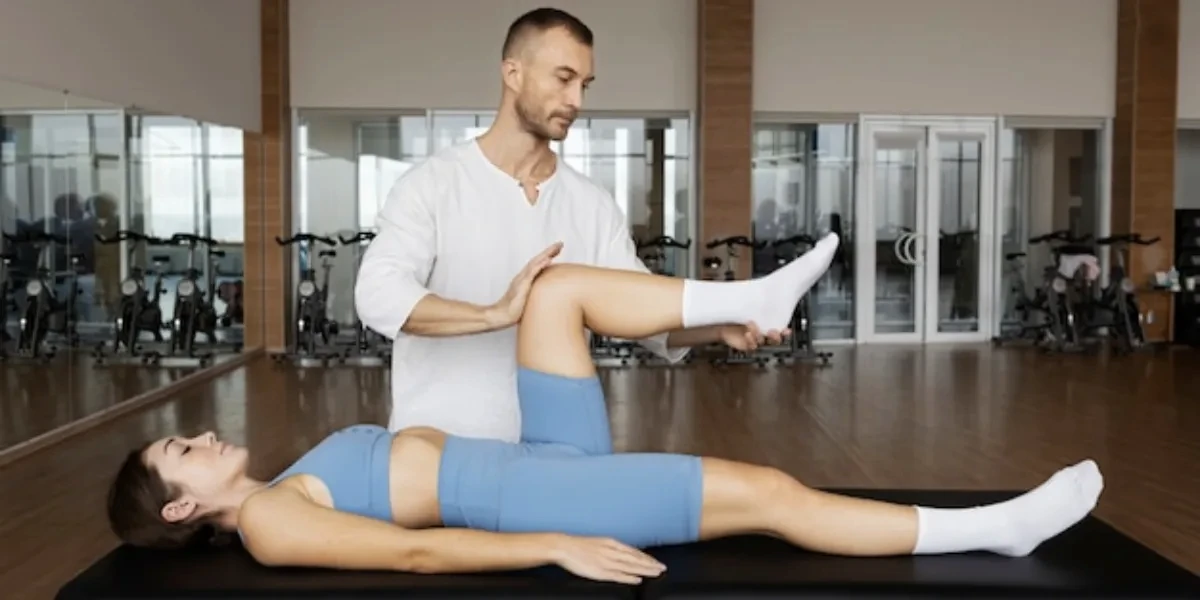
Hands-on work and early mobility drills bring down post-op swelling and start restoring your range of motion, starting your very first visit.
Weeks 2–12
Prime
Progressive strengthening rebuilds your quad and hamstring, one-on-one with a Doctor of Physical Therapy, every visit, so both legs start pulling their weight again.
Months 3–6
Perform
Sport-specific loading, cutting, jumping, and agility work, teaches your knee to handle the exact demands you’ll ask of it on the field or the court.
Months 6–9+
Prevent
Return-to-Sport Testing checks strength symmetry and single-leg hop performance before you’re cleared to go all-in: that’s the endpoint, not just another appointment.
Sam has been able to bring my knee back to 90% recovery. My balance, flexibility, and strength have been recovered after taking treatment through Sam. Now I am a patient who can live a normal life with an ACL injury after taking Sam’s treatment. I no longer need surgery thanks to Sam and his treatment.
Shared by Elizabeth R. · ACL injury
Month 1: couldn’t fully straighten the knee or put weight on it without bracing
Month 7: cleared through Return-to-Sport Testing and back on the field
Questions, Answered
It depends on your individual case: your activity goals, your knee’s stability, and what your physician finds on evaluation. Some ACL tears are managed conservatively, with rehab alone, and some are better served by reconstruction first. We don’t make that call in isolation. We work collaboratively with your physician either way, and we support you through whichever path is right, surgical or not.
You don’t have to just take our word for it. Our Return-to-Sport Testing measures strength symmetry between both legs and puts you through single-leg hop tests, so clearance is based on objective numbers, not a date on a calendar. When your knee hits the criteria, you’ll know it, and so will we.
Honestly, longer than most people want to hear: a full plan for ACL rehab runs through all four phases, Pain, Prime, Perform, and Prevent, typically 6 to 9 months depending on your surgery, your sport, and how your knee responds. That’s a real timeline, not a shortcut, because a knee that’s rushed back is a knee that gets hurt again. Either way, you get a plan with an endpoint: you’ll always know which phase you’re in and what’s left.
Book Your Visit
Request a time and a real person calls you back, usually within two business hours. No phone tree. No ‘someone will reach out.’ Just a plan.
5.0 · 17 Google reviews
Typical response: under 2 business hours
Step 1 of 5
That’s the hard part done. We’ll call during business hours to lock in your time. Most people are on the schedule same week.
Visit Us